
In today’s digital era, educational institutions handle vast amounts of sensitive information daily. From student records to fee management, every process depends on accurate data. But what happens when schools operate without proper software systems?
Data loss in schools without software has become a serious concern, especially in India where many institutions still rely on manual methods. This blog explains the key reasons behind this issue and how schools can overcome it effectively.
What Is Data Loss in Schools and Why Is It a Growing Concern?
Data loss in schools refers to the accidental or intentional loss of important institutional information such as student records, attendance logs, financial data, and staff details. In schools without ERP systems, this problem is more frequent due to reliance on physical files and disconnected digital tools.
In India, many schools still depend on registers and spreadsheets. While these methods may seem manageable initially, they become unreliable as the institution grows. Losing even a single file can disrupt operations and create confusion among staff and parents.
Why this issue is increasing in 2026?
With growing student populations and increased compliance requirements, schools are expected to maintain accurate and accessible data. Without proper systems
- Data becomes difficult to track
- Errors increase in reporting
- Important records can be permanently lost
This growing dependency on data makes the absence of software a major risk factor for institutions.
How Does Manual Record Keeping Lead to Data Loss in Schools Without Software?

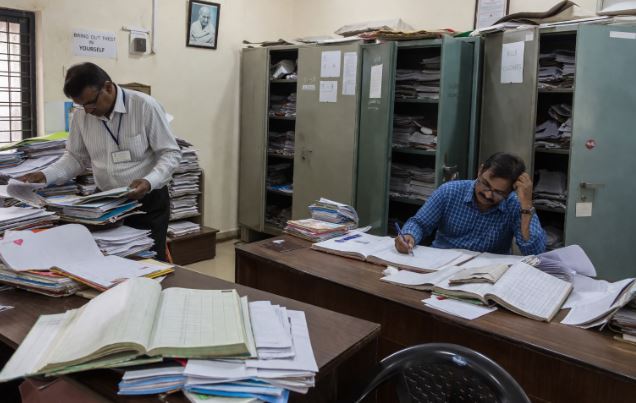
Manual record keeping is one of the biggest contributors to data loss in schools without software. Schools that rely on paper based systems often struggle with maintaining consistency and accuracy.
Human error plays a major role in this process. Staff members may enter incorrect data, misplace documents, or fail to update records regularly. Over time, these small mistakes accumulate and result in major data inconsistencies.
Key issues with manual systems
- Physical files can be damaged due to environmental factors
- Data duplication occurs when multiple registers are used
- Lack of backup leads to permanent loss of information
Another challenge is accessibility. When records are stored in physical formats, retrieving information becomes time consuming. This delays decision making and affects the overall efficiency of school administration.
Why Does Data Loss in Schools Without ERP Software Occur?
The main reasons for data loss in schools without ERP software are deeply rooted in the absence of structured digital systems. Without a centralized platform, data is scattered across different departments, making it difficult to manage and secure.
Schools often lack automated backup systems, which means any technical failure or human mistake can lead to irreversible data loss. Additionally, security measures are minimal in manual or semi digital systems, increasing the risk of unauthorized access or data breaches.
Core causes of data loss
- No centralized database for storing information
- Absence of real time updates across departments
- Limited data security measures
- Inefficient workflows and communication gaps
These challenges highlight why ERP systems have become essential for modern educational institutions.
What Are the Common Challenges Schools Face Without ERP Systems?
Schools without ERP systems face multiple operational and administrative challenges that directly contribute to data loss. These issues are not limited to data handling but extend to overall institutional efficiency.
One of the most common problems is miscommunication between departments. When data is not centralized, each department maintains its own records, leading to inconsistencies.
Another major challenge is increased administrative workload. Staff members spend a significant amount of time managing records manually, leaving less time for strategic tasks.
Key challenges observed
- Difficulty in tracking student performance
- Errors in fee management and reporting
- Delayed communication with parents
- Lack of transparency in operations
These challenges make it clear that relying on outdated systems can negatively impact both academic and administrative outcomes.
How Does Lack of Automation Affect Student Data Management and Security?
Automation plays a crucial role in maintaining data accuracy and security. In schools without ERP systems, the lack of automation leads to fragmented data management processes.
Without automated systems, tasks such as attendance tracking, report generation, and fee collection are handled manually. This increases the chances of errors and inconsistencies.
Security is another major concern. Manual systems do not provide adequate protection against data breaches or unauthorized access. Sensitive student information can be easily compromised.
Impact of lack of automation
- Inconsistent and outdated records
- Increased risk of data breaches
- Difficulty in generating accurate reports
Automation ensures that data is updated in real time and stored securely, reducing the risk of data loss significantly.
What Are the Key Benefits of Using ERP Software to Prevent Data Loss in Schools?
ERP software offers a comprehensive solution to the problem of data loss in schools without software. It integrates all school operations into a single platform, ensuring that data is stored, managed, and accessed efficiently.
One of the primary benefits is centralized data management. All information is stored in a unified system, making it easy to retrieve and update.
Key benefits of ERP systems
| Feature | Benefit |
| Centralized database | Eliminates data duplication |
| Automated backups | Prevents data loss |
| Real time updates | Improves accuracy |
| Secure access control | Protects sensitive data |
ERP systems also improve communication between departments and provide better insights through analytics. This helps schools make informed decisions and enhance overall performance.
How Can Schools in India Transition from Manual Systems to ERP Software Successfully?
Transitioning from manual systems to ERP software requires careful planning and execution. Schools in India must adopt a step by step approach to ensure a smooth transition.
The first step is understanding the specific needs of the institution. Schools should evaluate their current challenges and identify the features required in an ERP system.
Training staff is equally important. Without proper training, even the best systems can fail to deliver results. Schools should invest in training programs to ensure that staff members are comfortable using the new system.
Steps for successful implementation
- Assess current data management practices
- Choose a reliable ERP provider
- Train staff and provide ongoing support
- Monitor performance and make improvements
By following these steps, schools can successfully adopt ERP systems and eliminate the risks associated with manual data handling.
Conclusion
Data loss in schools without software is a critical issue that affects both administrative efficiency and student outcomes. As educational institutions continue to grow, the need for reliable data management systems becomes more important than ever. Manual methods are no longer sufficient to handle the complexities of modern education.
ERP software provides a practical and effective solution by ensuring data accuracy, security, and accessibility. Schools in India must embrace digital transformation to overcome these challenges and build a more efficient and secure future.
FAQs
What types of school data are most at risk without ERP software?
Student records, attendance details, fee information, and academic performance data are most vulnerable. These are often stored in multiple locations, increasing the chances of loss or inconsistency.
Can small schools also benefit from ERP systems?
Yes, small schools can benefit significantly as ERP systems help streamline operations, reduce manual workload, and improve data accuracy even with limited resources.
How does ERP software improve data accuracy in schools?
ERP software automates data entry and updates information in real time, reducing human errors and ensuring consistency across all departments.
Is data loss in schools a common issue in India?
Yes, many schools in India still rely on manual systems, making data loss a common issue due to lack of proper storage, backup, and security measures.
What features should schools look for in an ERP system?
Schools should look for features like centralized data management, automated backups, secure access controls, reporting tools, and user friendly interfaces.