
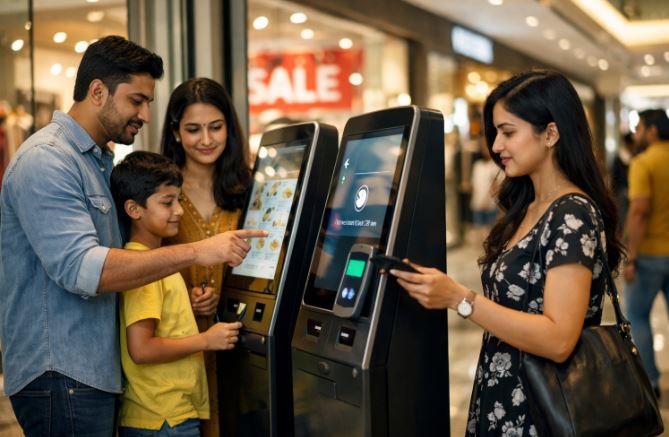
India is rapidly embracing digital transformation across industries. From retail stores to hospitals and quick service restaurants, businesses are searching for smarter ways to serve customers efficiently. In this evolving landscape, kiosk devices are emerging as a powerful solution that combines automation, convenience, and customer satisfaction.
As highlighted by leading industry insights in 2026, self service technology is no longer optional. It has become a strategic necessity for businesses aiming to reduce operational costs and improve service speed.
Modern consumers expect faster transactions, contactless interactions, and seamless digital payments. Kiosk devices address these expectations while helping organisations streamline workflows.
This article explores how kiosk devices are shaping smart self service solutions in 2026, particularly in the Indian market, and how companies like VAPS Tech are contributing to this transformation.
Why Are Kiosk Devices Becoming Essential in India’s Digital Transformation?
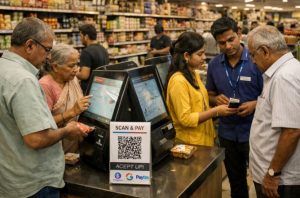
India’s digital economy is expanding rapidly, supported by initiatives promoting cashless payments, smart retail technology, and automation. Kiosk devices are playing a vital role in this transition by offering accessible and user friendly digital interfaces in physical spaces.
Businesses are increasingly adopting self service kiosks because they help manage large customer volumes while maintaining service accuracy. With rising labour costs and growing consumer expectations, automation through digital kiosk systems enables faster transactions and improved efficiency.
Key factors driving adoption in India include:
- Growth of UPI enabled payment systems
- Increased demand for contactless service
- Expansion of organised retail and quick service restaurants
- Rising focus on queue management solutions
Self service kiosks also support multilingual interfaces, making them suitable for India’s diverse population. From metro cities to tier two markets, kiosk devices are enabling businesses to provide consistent service without increasing operational complexity.
How Are Self Service Kiosks Transforming Retail, Restaurants, and Healthcare in 2026?
In 2026, industries such as retail, food service, and healthcare are witnessing significant transformation through smart kiosk devices. According to industry observations, restaurants are using self ordering kiosks to improve order accuracy and increase average order value. Customers feel more comfortable exploring menu options at their own pace, which often leads to higher sales.
In retail, self checkout kiosks are reducing billing queues and improving customer satisfaction. They allow shoppers to scan products, make digital payments, and complete transactions independently. This not only speeds up checkout but also frees staff to focus on customer engagement.
Healthcare institutions are adopting check in kiosks to streamline patient registration. This reduces waiting times and minimises administrative workload. Hospitals benefit from improved data accuracy and better appointment management.
The following table highlights sector wise impact of kiosk devices in 2026:
| Industry | Application of Kiosk Devices | Key Benefit |
| Restaurants | Self ordering kiosks | Faster service and higher order value |
| Retail | Self checkout systems | Reduced queues and efficient billing |
| Healthcare | Patient check in kiosks | Streamlined registration process |
| Banking | Automated banking kiosks | Extended service availability |
These transformations clearly indicate that kiosk devices are reshaping service delivery across sectors.
Are Kiosk Devices the Future of Smart Self Service Solutions in 2026?
Kiosk devices are not just a trend. They represent the future of smart self service solutions because they combine automation, connectivity, and customer centric design. As businesses move towards digital first strategies, interactive kiosks provide a bridge between physical and digital experiences.
In 2026, consumers prefer quick and personalised services. Smart kiosk devices integrate with cloud based systems, enabling real time updates and data management. Businesses can monitor performance, track sales patterns, and adjust operations instantly.
Moreover, kiosk systems support:
- Contactless payment options
- QR code based interactions
- Integration with loyalty programmes
- Centralised remote management
These capabilities make digital kiosk systems scalable and adaptable. As artificial intelligence and analytics become more advanced, kiosks are evolving into intelligent service points rather than simple transaction machines. This evolution strongly supports the idea that kiosk devices are shaping the future of smart automation in India.
What Technologies Power Modern Smart Kiosk Devices?
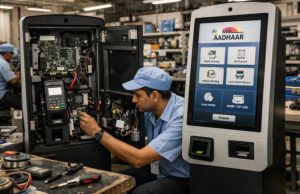
Modern kiosk devices rely on advanced technologies to deliver seamless functionality. Touch screen interfaces provide intuitive navigation, allowing users to complete tasks easily. Cloud based kiosk management ensures that software updates and system monitoring can be handled remotely.
AI powered kiosks analyse customer behaviour and offer personalised suggestions. For example, in restaurants, the system may recommend popular add ons based on previous purchase trends. In retail, kiosks can display targeted promotions.
Security is another critical component. Many digital kiosk systems now incorporate biometric authentication and secure payment gateways. This ensures safe handling of customer data and financial transactions.
Core technologies include:
- IoT enabled connectivity for real time monitoring
- POS integration for accurate billing
- Data analytics for performance insights
- Contactless and digital payment integration
These technological advancements are enabling kiosk devices to function as intelligent business tools rather than simple hardware units.
How Do Touchless and AI Powered Kiosk Systems Improve Customer Experience?
Post pandemic consumer behaviour has accelerated the demand for touchless information kiosks and contactless services. In 2026, customers prioritise safety, speed, and convenience. Touchless kiosk systems use QR codes and mobile integration to reduce physical interaction.
AI powered kiosks enhance customer experience by delivering personalised recommendations and reducing errors. In restaurants, automated order processing minimises miscommunication. In retail, self checkout kiosks allow customers to control their shopping journey.
Benefits to customers include:
- Faster transactions
- Greater privacy during ordering or payments
- Reduced waiting time
- Improved accuracy
For businesses, this translates into higher customer satisfaction and stronger brand perception. Smart kiosk devices therefore serve both operational efficiency and enhanced user engagement.
Why Are Indian Businesses Investing in Cloud Based and UPI Enabled Kiosks?
India’s payment ecosystem has evolved significantly with the rise of UPI. Cloud based and UPI enabled kiosks allow businesses to align with this digital payment revolution. Customers can complete transactions quickly using mobile based payment platforms.
Cloud integration also simplifies kiosk management. Business owners can monitor multiple kiosk devices across locations from a central dashboard. This improves operational visibility and reduces maintenance challenges.
Advantages for Indian enterprises include:
- Seamless digital payment acceptance
- Centralised data access
- Scalability across multiple branches
- Reduced downtime through remote diagnostics
As competition increases, businesses are investing in digital kiosk systems to maintain efficiency and remain future ready in 2026.
How Is VAPS Tech Delivering Advanced Kiosk Devices for Smart Businesses?
VAPS Tech is contributing to India’s smart automation journey by providing advanced kiosk devices tailored to diverse industries. The company focuses on delivering reliable, scalable, and technology driven solutions that align with modern business needs.
By integrating interactive kiosks with secure payment systems and cloud based management, VAPS Tech enables organisations to enhance service delivery. Their solutions support retail, healthcare, banking, and hospitality sectors with customised configurations.
VAPS Tech emphasises:
- Robust hardware design
- User friendly software interfaces
- Integration with existing POS systems
- Support for digital payment solutions
Through innovation and customer focused design, VAPS Tech is helping businesses adopt smart self service technology confidently in 2026.
Conclusion
Kiosk devices are redefining how businesses interact with customers in 2026. Across retail, restaurants, healthcare, and banking, self service kiosks are improving speed, accuracy, and overall efficiency. Supported by AI powered systems, cloud connectivity, and digital payment integration, these solutions are becoming central to India’s digital transformation.
As consumer expectations continue to evolve, businesses must adopt smart automation tools to remain competitive. Kiosk devices offer a scalable and future ready approach to delivering seamless customer experiences.
With technology providers like VAPS Tech driving innovation, the future of smart self service solutions in India appears strongly connected to the growth of advanced kiosk devices.
FAQs
What factors should businesses evaluate before deploying kiosk devices?
Businesses should assess location requirements, integration capabilities with existing systems, payment compatibility, and long term maintenance support before implementing kiosk devices.
How secure are digital kiosk systems for customer transactions?
Modern kiosk systems use encrypted payment gateways and secure authentication methods to protect customer data and ensure safe transactions.
Can kiosk devices operate in high traffic environments?
Yes, most commercial grade kiosk devices are designed with durable hardware and stable software to handle continuous usage in busy locations.
Do kiosk devices require constant internet connectivity?
While many features rely on internet access for cloud updates and payment processing, some functions can operate offline and sync data later.
Are kiosk devices suitable for small businesses in India?
With scalable configurations and digital payment integration, kiosk devices are increasingly accessible and beneficial even for small and medium enterprises.