

GPS Devices have evolved far beyond basic navigation tools. They now play a vital role in industries such as logistics, education, transportation, travel, fleet management, security, and everyday personal use. As technology grows rapidly, the functions, accuracy, and applications of GPS Devices expand as well.
This blog explains what GPS Devices are, how they work, their advantages, their limitations, and how different sectors rely on them for enhanced productivity and operational efficiency. Each section is written to give you deeper clarity while keeping content educational and structured with question-based subheadings.
How Do GPS Devices Actually Work?

GPS Devices operate based on a global satellite network maintained primarily by the United States government. These satellites continuously transmit signals to Earth. When a GPS receiver in a device picks up signals from at least four satellites, it can calculate the user’s position using mathematical algorithms.
Instead of relying on one signal, GPS Devices use a process called trilateration, where distance from multiple satellites is measured to pinpoint your location.
This process involves analyzing the time it takes for signals to reach the receiver from satellites placed thousands of kilometers away. When the device gathers enough signals, it determines latitude, longitude, and altitude.
These devices also use advanced chipsets that enhance accuracy even in crowded urban environments. Many modern GPS Devices combine satellite signals with sensors, Wi-Fi, and mobile networks to strengthen location precision. The integration of multiple technologies ensures that location tracking remains highly dependable.
What Are the Core Features of Modern GPS Devices?
Modern GPS Devices come with a wide range of features designed to support navigation, monitoring, and real-time tracking. These features go far beyond simple map access or direction guidance. Manufacturers have significantly upgraded their performance to meet industry needs and consumer expectations.
Some of the most notable features include:
- Real-time tracking systems that refresh location every few seconds
- High-accuracy satellite connectivity for improved precision in complex terrains
- Geofencing tools to create virtual boundaries around locations
- Route optimization technologies that help reduce travel time and fuel consumption
- AI-powered alerts for activities such as overspeeding, idling, or unauthorized movement
- Long-lasting battery performance to support extended field usage
- Waterproof and shockproof structures for challenging outdoor environments
These advanced capabilities help individuals and businesses perform tasks with greater clarity, efficiency, and safety.
Where Are GPS Devices Used Across Different Industries?
GPS Devices are used in multiple industries. Each sector benefits differently from the ability to track movement, monitor assets, and enhance decision-making. The applications continue to grow as new technologies integrate with GPS systems.
Below are key industries that depend heavily on GPS Devices:
- Transportation companies use them to track vehicle movement and manage route planning.
- Logistics businesses rely on them to ensure product delivery timelines.
- Schools and institutions implement GPS-based tracking to monitor student transport safety.
- Fleet management companies use them to analyze driver behavior, fuel usage, and productivity.
- Travel agencies use GPS Devices to support guided tours and adventure activities.
- Security teams depend on GPS-based alert systems for property and asset protection.
- Construction firms attach GPS Devices to heavy machinery to prevent theft and track utilization.
Organizations across these sectors have found that GPS-enabled operations lead to reduced costs, enhanced safety, and improved service quality.
How Do GPS Devices Improve Fleet and Logistics Operations?
Fleet and logistics operations require accuracy, speed, and constant monitoring. GPS Devices have become a backbone for companies that operate delivery vans, trucks, and transport services. These devices empower fleet managers with real-time insights that significantly boost performance.
GPS Devices improve logistics operations by offering detailed vehicle tracking, which helps operators respond quickly to unexpected delays. Real-time updates also enable businesses to provide accurate delivery information to customers. Route optimization ensures vehicles follow the most efficient paths, reducing operational costs.
Monitoring driver performance helps reduce risky behavior such as speeding or harsh acceleration. Maintenance alerts remind companies when vehicles need servicing, preventing breakdowns during deliveries.
Together, these capabilities ensure higher customer satisfaction and smoother operational workflow.
Why Are GPS Devices Valuable for Schools and Student Safety?

Schools use GPS Devices mainly for tracking school buses and ensuring student safety. Ensuring the timely movement of buses and monitoring driver behavior is crucial for both parents and school management. GPS-enabled tracking provides transparency in transportation systems.
Schools benefit from real-time notifications to parents about bus arrivals, departures, or delays. GPS Devices help administrators identify unsafe driving patterns and take corrective actions. Geo-zones around school premises assist in monitoring entry and exit activities.
Historical route reports help schools review trip performance and enhance transportation planning. Integration with mobile apps strengthens communication among schools, parents, and transport teams.
This level of safety assurance encourages schools to adopt smart transportation technologies.
How Do GPS Devices Enhance Personal Travel and Outdoor Activities?
Personal and recreational use of GPS Devices has increased significantly with the growth of adventure tourism, hiking, and driving holidays. Travelers depend on GPS-guided maps and location-based tools to explore new destinations safely.
Portable GPS Devices assist with off-road navigation in areas with little network connectivity. These devices provide real-time coordinates that help maintain direction on unfamiliar routes. Track recording features allow users to document their trails.
Advanced models provide weather alerts, terrain maps, and emergency beacon functions. Cyclists and bikers use GPS Devices to track speed, distance, and calories burned during rides.
In environments where mobile networks fail, dedicated GPS Devices continue functioning reliably due to satellite connectivity.
What Are the Limitations or Challenges Associated With GPS Devices?
Despite their many advantages, GPS Devices face certain challenges that users must understand. These challenges do not reduce their value but highlight the need to use devices thoughtfully.
Some common limitations include:
- Weak signal reception in tunnels, dense forests, or enclosed spaces
- Battery dependency during long outdoor activities
- Occasional inaccuracy due to atmospheric conditions
- High device cost for advanced models with premium features
- Limited performance where satellite visibility is low
- Data privacy concerns when using tracking for sensitive operations
Although these issues exist, they are manageable with proper planning, device selection, and responsible usage.
How Should Someone Choose the Best GPS Device for Their Needs?
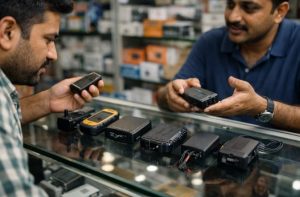
Choosing the correct GPS Device requires understanding personal or business requirements. Not all devices offer the same features, and the best choice depends on usage conditions.
The factors to consider include:
- Purpose of use, such as personal navigation, fleet tracking, or outdoor adventure
- Battery life and power efficiency for long-term usage
- Durability levels based on working conditions
- Map accuracy and satellite connectivity strength
- Additional features such as SOS alerts, route history, or waterproofing
- Budget constraints and long-term maintenance costs
- Mobile or software integration for real-time monitoring
A clear understanding of these elements helps buyers make informed decisions that deliver long-term value.
Which Features Should Be Compared While Selecting GPS Devices?
To simplify the decision-making process, the table below provides a comparison of essential features to evaluate before purchasing GPS Devices.
| Feature Category | What to Look For | Why It Matters |
| Accuracy | High-sensitivity chipset | Improves tracking precision in complex environments |
| Battery Life | Long-lasting standby and active mode | Ensures uninterrupted usage during long operations |
| Durability | Waterproof and rugged design | Protects device in harsh conditions |
| Connectivity | Satellite, Wi-Fi, and mobile integration | Strengthens reliability in remote areas |
| Additional Tools | Geofencing, SOS alerts, reports | Enhances safety and monitoring capabilities |
| Mapping Support | Offline maps and real-time updates | Helps in areas with poor network coverage |
| Cost | Fits budget with scalable options | Supports long-term usage without over-spending |
This table helps users evaluate their options and select a device that aligns with their operational goals.
What Does the Future Hold for GPS Devices and Their Role in Technology?
The future of GPS Devices lies in their integration with artificial intelligence, IoT, and automation systems. These technological advancements will strengthen accuracy, reduce signal issues, and introduce new capabilities like predictive routing. Businesses will increasingly depend on GPS-based systems for decision-making, monitoring, and automation.
As industries focus more on real-time data and intelligent tracking, GPS Devices will play an irreplaceable role. Their impact will extend into smart cities, automated transportation, security systems, and educational institutions. Each innovation will bring improvements in reliability, user experience, and operational efficiency.
Conclusion
GPS Devices have transformed the way individuals and businesses operate. They have evolved from simple navigation tools to powerful systems supporting logistics, travel, education, fleet management, and personal safety.
The growing demand for real-time data and intelligent tracking ensures that GPS Devices will remain essential in the digital era. Understanding how they work, where they are used, and how to choose the right one helps users maximize benefits and achieve long-term success.
Frequently Asked Questions
Are GPS Devices the same as smartphone GPS apps?
No, dedicated GPS Devices often provide stronger satellite connectivity, better durability, and reliable performance in low-network areas compared to smartphone apps.
Do GPS Devices work without internet connectivity?
Yes, GPS Devices rely on satellite signals, not the internet, although some advanced features may require network access.
How accurate are modern GPS Devices?
Most modern devices offer accuracy within 3–5 meters, depending on signal strength and environmental conditions.
Can GPS Devices be used for real-time vehicle tracking?
Yes, many GPS Devices support live tracking with instant location updates for fleet and logistics management.
Are GPS Devices safe in terms of data privacy?
They are generally safe when used with secure software platforms and proper data protection measures in place.